
Menu engineering: Optimise for profit, not just popularity
By Equimise Team
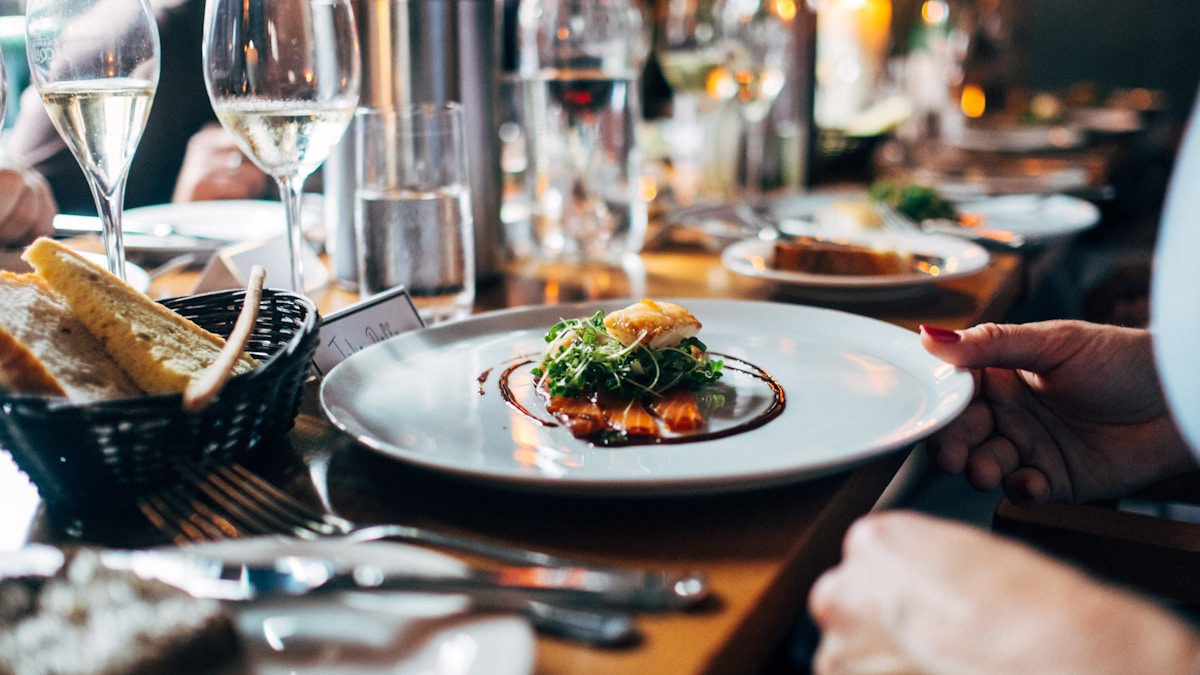
Your most popular dish might not be your most profitable. In fact, some high-sellers barely move the needle on your bottom line, while slower-moving items could be earning you significantly more per plate. Menu engineering is the systematic analysis that reveals which dishes truly drive profit and which ones are coasting on popularity alone.
Developed by hospitality consultants in the 1980s, menu engineering combines sales data with contribution margins to categorise every item on your menu. The goal is simple: increase your overall profitability by making strategic decisions about what to promote, what to fix, and what to remove.
What is menu engineering?
Menu engineering is a data-driven approach to menu optimisation. Instead of relying on gut feeling or customer feedback alone, you analyse two critical metrics for each dish:
- Contribution margin (profit per dish after food costs)
- Popularity (sales volume relative to other items)
By plotting these two dimensions, you create a 2×2 matrix that categorises every menu item into four distinct groups: Stars, Plowhorses, Puzzles, and Dogs. Each category requires a different strategy to maximise your overall menu profitability.
The menu engineering matrix explained
Here's how the four quadrants work:
Stars (High profit, high popularity)
These are your champions. Stars earn strong margins and customers love them. A well-engineered menu will have multiple stars.
Strategy: Promote heavily. Feature them prominently on your menu, train servers to recommend them, and consider seasonal variations to keep them fresh. Don't mess with the pricing or recipe unless you're absolutely certain it will improve margins without hurting sales.
Plowhorses (Low profit, high popularity)
Popular but not particularly profitable. Plowhorses sell well but don't contribute much to your bottom line. Many restaurants have at least one crowd-pleaser that falls into this category.
Strategy: Increase the margin without killing sales. Options include:
- Modest price increases (test 5-8% and monitor volume)
- Reduce portion sizes slightly (without customer complaints)
- Substitute expensive ingredients for cheaper alternatives that maintain quality
- Reposition on the menu to a less prominent spot
📊 Real Example
A gastropub's fish and chips was their #1 seller but earned only $4.20 per plate after food costs. By switching from premium barramundi to a quality flathead and adding $2 to the price, they lifted margin to $6.50 without losing a single customer.
Puzzles (High profit, low popularity)
These dishes have excellent margins but don't sell well. Puzzles are frustrating because the profit potential is there, but customers aren't biting.
Strategy: Increase visibility and appeal. Try:
- Renaming the dish (descriptive, appetising language matters)
- Moving it to a high-visibility spot on the menu
- Adding it to the specials board or daily features
- Training servers to upsell it ("Have you tried our...")
- Lowering the price slightly to test if cost is the barrier
If sales don't improve after active promotion, consider removing it entirely. Don't let low-volume items complicate prep or tie up inventory.
Dogs (Low profit, low popularity)
Dogs are the underperformers. They don't sell well and they don't make you money when they do. These are prime candidates for removal.
Strategy: Remove them. Seriously. Unless there's a compelling reason to keep a Dog (e.g., it's a vegetarian option and you'd lose a customer segment without it), cut it from the menu. Every item you remove simplifies prep, reduces inventory complexity, and frees up mental space for your kitchen team.
How to calculate contribution margin
Before you can classify your dishes, you need accurate contribution margins. Here's the formula:
Contribution Margin = Menu Price - Food Cost
For example, if your steak sells for $38 and costs $13.50 in ingredients, the contribution margin is $24.50. That's the amount available to cover labour, overheads, and profit.
Step-by-step process:
- Calculate the food cost for each dish (recipe costing)
- Subtract food cost from menu price to get contribution margin
- Pull sales data for a recent period (30-90 days is ideal)
- Calculate the average contribution margin across all dishes
- Calculate the average sales volume per dish
- Plot each item on the matrix: above/below average margin, above/below average popularity
💡 Pro Tip
Don't use percentages alone. A dish with 70% GP but a $5 margin contributes less than a dish with 60% GP and a $12 margin. Focus on absolute dollar contribution, not just percentage.
Pricing psychology and menu design
Menu engineering isn't just about the numbers. How you present items influences what customers order. A few evidence-based principles:
1. Menu placement matters. The top-right corner of a page (or the top of a single-page menu) gets the most attention. Place your Stars here. Avoid putting Plowhorses in prime real estate.
2. Remove dollar signs. Studies show customers spend more when prices are listed as "28" instead of "$28" or "$28.00". The symbol triggers pain points associated with spending.
3. Use descriptive language. "Grilled chicken" sells less than "Char-grilled free-range chicken with lemon thyme butter". Descriptive, sensory words increase perceived value and sales.
4. Create anchors. A high-priced item (even if it rarely sells) makes other dishes seem more reasonable. If your most expensive dish is $32, adding a $48 premium option can boost sales of the $38 items.
5. Avoid the "penny trap". Prices ending in .95 or .99 look cheap. In hospitality, round numbers or .00/.50 endings signal quality and confidence.
Action plan for each category
Once you've categorised your dishes, here's your action plan:
Stars
Promote heavily, maintain quality, consider featuring in marketing. Don't change the recipe or price without strong reasons.
Plowhorses
Increase margin through price adjustments, portion control, or ingredient swaps. Reposition on menu to less prominent spots.
Puzzles
Increase visibility through renaming, repositioning, and server training. Test price reductions if volume doesn't improve. Remove if still underperforming after 60 days of active promotion.
Dogs
Remove unless there's a strategic reason to keep them (dietary requirements, brand signature, etc.). Simplify your menu and operations.
How often should you review your menu?
Menu engineering isn't a one-time exercise. Markets change, costs fluctuate, and customer preferences evolve. Here's a practical schedule:
Quarterly deep dive: Run a full menu engineering analysis every 90 days. This catches trends before they become problems and ensures you're optimising for current conditions.
Monthly spot checks: Review your top 10 sellers and bottom 5 performers each month. Are the margins holding? Are sales volumes shifting?
Immediate action on cost spikes: If a key ingredient jumps 30% in price (hello, supply chain disruptions), don't wait for the quarterly review. Recalculate margins for affected dishes and adjust prices or portions within a week.
💡 Industry Tip
Seasonal menu changes are the perfect time to remove Dogs and test new Puzzles. Customers expect variety with the seasons, so they're less likely to notice when an underperformer disappears.
Common mistakes to avoid
Even with good intentions, operators make predictable errors when engineering their menus:
Ignoring labour costs. Menu engineering focuses on food cost and contribution margin, but labour-intensive dishes (especially in prep) can erode profitability. Factor in prep time when comparing items.
Keeping Dogs for sentimental reasons. "But we've always had the bolognese" isn't a business case. If it doesn't sell and doesn't profit, it's dead weight. Remove it.
Making too many changes at once. If you redesign the entire menu overnight, you won't know which changes worked. Test adjustments incrementally and measure the impact.
Using outdated cost data. If your recipe costs are from six months ago, your analysis is garbage. Update your costs before running the matrix or you'll make decisions on false data.
The bottom line
Menu engineering is one of the highest-ROI activities you can do in hospitality. A well-optimised menu can improve overall margins by 2-5 percentage points without changing your ingredient sourcing or labour model. That's pure profit.
Start with the data. Calculate contribution margins for every dish, pull your sales volume, and plot the matrix. You'll immediately see which items are pulling their weight and which ones are coasting. Then take action: promote your Stars, fix your Plowhorses and Puzzles, and cut your Dogs.
Repeat every quarter. Your menu is a living document, not a monument. The operators who optimise consistently are the ones who stay profitable in tight markets.
Ready to engineer a more profitable menu?
Equimise automatically calculates contribution margins, tracks sales trends, and highlights your Stars and Dogs. See how intelligent menu analytics can lift your bottom line.
Book a demoAbout the author: The Equimise team is dedicated to helping hospitality operators run smarter, waste less, and grow profitably with intelligent back-of-house systems.